9+ curated guides • Updated October 2025
Anyone can make an entrance, but the real power lies in the exit. We'll show you why the most overlooked piece of jewelry is actually a secret weapon for confidence, designed to captivate attention long after you've walked away. In a world saturated with front-facing perfection for the selfie, the back necklace is a subversive, intelligent choice. It’s a deliberate detail for an audience you may never see again, a final, lingering note in the symphony of your personal brand. This isn't just about accessorizing; it's about authoring your own narrative, right down to the final punctuation mark.
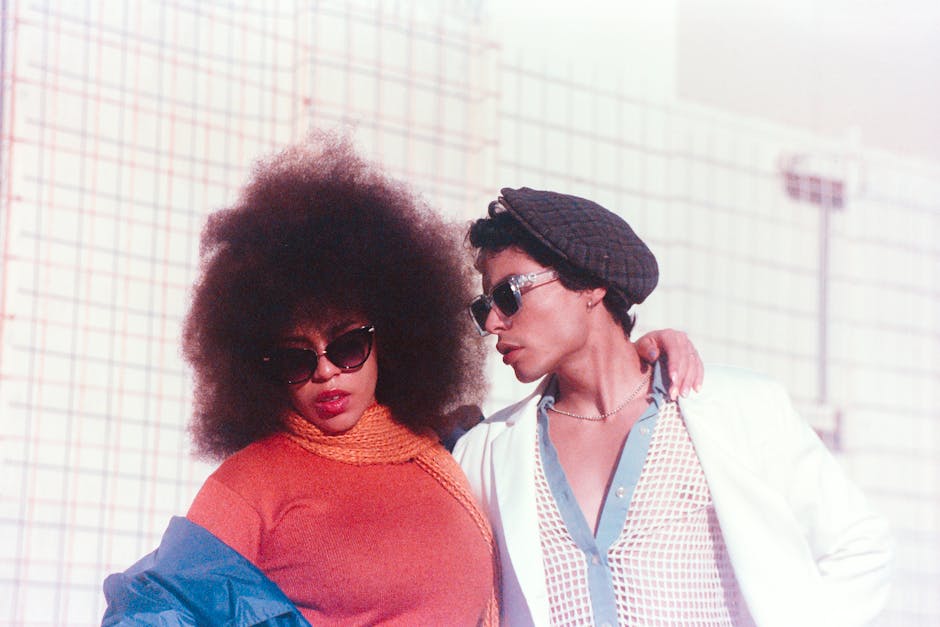
You've seen the photos: a silk scarf tied as a bohemian headband or knotted at the neck of a disco queen. But what if that simple piece of fabric was more than just a fashion statement? In the 1970s, the way you wore your scarf was a secret code, broadcasting your tribe and your beliefs to the world. This wasn't just about aesthetics; it was a socio-political broadcast worn around the neck, head, or wrist. In a decade fractured by the Vietnam War, civil rights movements, and economic uncertainty, personal style became a primary vehicle for self-identification. And the humble scarf, accessible and versatile, became its most potent and nuanced messenger.
You've been told your entire life that the diamond is the timeless, essential birthstone for April. But what if that 'timeless' tradition is younger than your grandparents, crafted not by ancient mystics but by one of the most brilliant advertising campaigns in history? Prepare to question everything you thought you knew about your birthstone. As a cultural historian, I spend my days excavating the stories behind the objects we cherish. And few stories are as shrouded in manufactured myth as that of the April diamond. The narrative we've accepted—of an unbreakable stone for an unbreakable bond, anciently assigned to April—is a dazzling illusion. The reality is a tale of commerce, psychology, and a boardroom decision in 1912 that set the stage for a marketing coup. This article pulls back the velvet curtain to reveal the architects of this modern 'tradition' and empowers you to reclaim your own story.
You pull up to your favorite local Chinese spot, ready to order the usual Kung Pao Chicken. But what if the most incredible dish they make—a fiery, mouth-numbing fish stew or a delicate, savory lion's head meatball—isn't even on the menu you're holding? The secret to finding the best 'Chinese near me' isn't on an app; it's by learning how to unlock the hidden menu. My father, who ran a small Cantonese kitchen for 30 years, called the English menu the 'embassy menu'—a diplomatic, safe, and friendly introduction for outsiders. The real food, the food he cooked for his family and friends, was on a different list entirely. This guide isn't just about eating; it's about graduating from a tourist to a traveler in the world of food. It's your key to the kitchen's inner circle.
Your online shopping cart is full of shimmering, of-the-moment accessories, and your finger is hovering over the 'buy' button. Stop. This guide will teach you the one skill that separates savvy collectors from trend victims: how to instantly tell if a trendy accessory is a six-month fling or a future classic you'll wear for years. As a former trend forecaster, I've seen countless micro-trends burn brightly and fade into obscurity, leaving behind a trail of unworn plastic and buyer's remorse. The secret isn't to stop buying trendy accessories online; it's to develop a curator's eye. It's about learning to see past the algorithm-pushed hype and identifying the DNA of an heirloom. This is your masterclass in building an accessory collection that tells a story, holds its value, and transcends the relentless cycle of what's 'in'.
The news cycle moves fast, often reducing a lifetime of achievement to a headline and a date. But a true legacy isn't just about what someone did; it's about what they taught us. This week, we look beyond the obituaries to celebrate the enduring lessons left behind by the icons we lost. We reflect on the uncompromising vision of avant-garde musician Jax 'The Ghost' Riley, the relentless focus of journalist Eleanor Vance, and the collaborative genius of character actor Marcus Thorne. Each of their stories offers not just a memory to cherish, but a blueprint to live by.
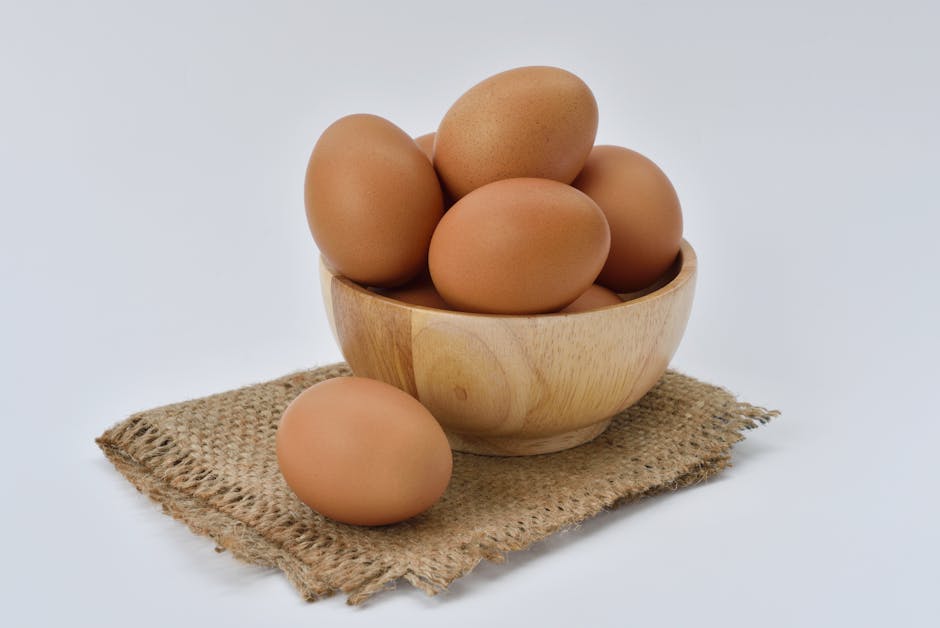
You crack an egg into the pan, just as you have a thousand times before. But have you ever paused to read it? That deep orange yolk, the cloudy thickness of the white, that curious little stringy bit—these aren't random quirks, they are a biological report card telling a story of freshness, nutrition, and origin that most of us throw away, unread. As a food scientist, I'm here to translate that report for you. We're going to move beyond the carton's expiration date and learn to interpret the biological signals the egg itself is sending. By understanding these three key components—the yolk, the albumen, and the chalazae—you can assess quality with a single glance and become a more informed, discerning cook.
You've heard that a plant-based diet can help you lose weight and lower your cholesterol, but nobody is talking about its most significant side effect: a mental upgrade. Forget the scale; we're diving into the neuroscience of how switching your fuel source can sharpen your focus, elevate your mood, and unlock a new level of cognitive performance. As a neuroscientist, I'm not interested in fad diets; I'm interested in brain optimization. We're moving past the surface-level benefits to examine the profound biochemical and structural changes that occur in your brain when you transition to a plant-predominant way of eating. This isn't about restriction; it's about unlocking a level of mental clarity you may not have realized was possible. We will explore how this dietary shift directly influences the production of key neurotransmitters, reduces the 'brain fog' caused by inflammation, and even encourages the growth of new brain cells. Get ready to rethink everything you thought you knew about food and focus.
That iconic packet of taco seasoning is a pantry staple, but have you ever actually read the ingredients list? We put that classic flavor under the microscope to decode its DNA, creating a simple recipe that delivers all the nostalgic taste you love without any of the fillers, anti-caking agents, or excess sodium. In my lab—which doubles as a kitchen—we treat flavor as a solvable equation. The commercial taco seasoning packet is a masterclass in food engineering, designed for shelf stability and mass appeal. But in prioritizing logistics, it sacrifices purity and potency. Our mission was to isolate the core flavor components, discard the industrial additives, and rebuild the profile from the ground up using superior, readily available ingredients. What follows is not just a recipe, but the blueprint for taking back control of your pantry.